Piezo Ignition
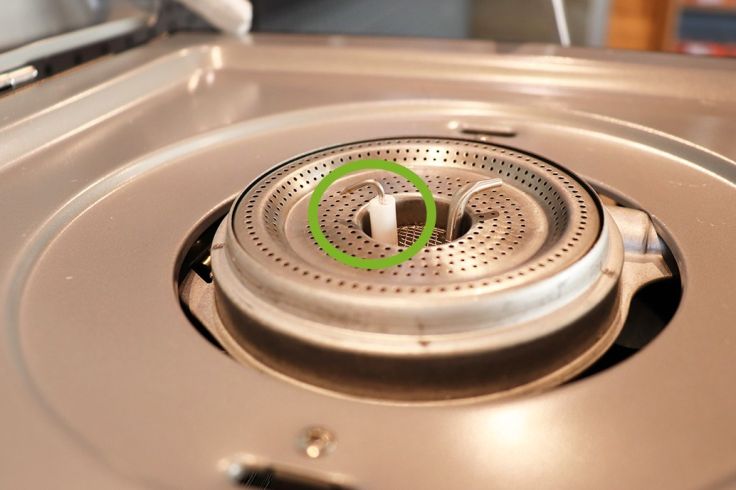
A piezo ignition is a technique to safely ignite a gas flame. The technology is based on the piezo effect, which was developed at the end of the 19th century. It was invented at the end of the 19th century by the French brothers Jacques and Pierre Curie. The effect is based on the fact that deforming crystals release electrical charges. In modern piezo ignitions, the crystals are replaced by ceramics. There is a tensioned spring in a piezo igniter. If a push button is now pressed, the spring relaxes very quickly. This causes a small plunger to strike the piezo crystal (or ceramic). The mechanical pressure generates a very high electrical voltage of up to 20,000 volts. The voltage is conducted via a cable and discharges at an ignition electrode. It consists of two metal contacts lying closely opposite each other. The resulting bluish ignition spark then ignites the gas flowing out via a valve. The piezo ignition ensures high operational reliability and offers a long service life. Furthermore, no electricity is required with this ignition device. Piezo igniters are used, for example, in gas heaters or gas cookers when camping.