
Leak Detection & Gas Measurement
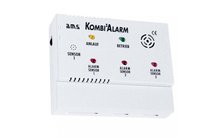
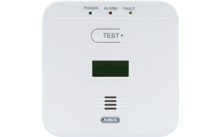
Here you will find gas alarms, CO detectors, combination alarms, leak detection sprays, testing devices and additional sensors - everything you need to reliably protect the gas system and interior of your camper.
Read more about Leak Detection & Gas Measurement ...









Leak Detection And Gas Measurements
Accurate testing prevents surprises on tour. With the right leak detection and gas measurements tools you can check joints for tightness, verify regulator output and diagnose low-flow issues before they affect cooking or heating in your caravan or motorhome.
Caravan And Motorhome Leak Detection Basics
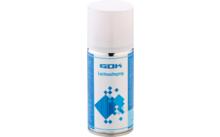
Use certified leak-detection spray or a suitable soapy solution on every joint after bottle changes or maintenance. Bubbles indicate a leak that must be fixed before operation. Keep access clear so you can test regularly at the pitch.
Applying Leak Detection Spray Correctly
Work methodically from the cylinder valve to the appliance, spraying each joint and waiting a few seconds. Wipe clean afterwards to avoid residue attracting dust.
Safety Routine For Leak Checks
Ventilate the locker, keep ignition sources away and close the cylinder valve immediately if you suspect a major leak. Retest after re-seating or replacing seals.
Gas Measurements: Pressure And Flow Verification
Stable outlet pressure keeps flames consistent and appliances efficient. Most touring systems run at 30 mbar; confirm with a suitable gauge or manometer and compare to appliance requirements.
Using Manometers For Gas Measurements
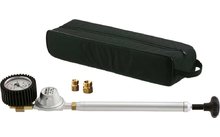
A U-tube or digital manometer provides precise readings at test points. Measure static and working pressure to reveal regulator or line restrictions.
Inline Gauges And Diagnostics
Inline dials are helpful for quick checks, but use calibrated instruments when adjusting or troubleshooting persistent issues.
Seals, Threads And Leak Prevention
Correct seals are the foundation of leak-free joints. Match BSP sizes and male/female orientation, note left-hand threads where used and fit the specified flat gasket or cone O-ring.
Seal Care During Leak Detection
Replace flattened or cracked seals and lightly lubricate with food-safe grease where specified. Keep spare O-rings and gaskets in labelled bags.
Minimising Joint Count
Prefer direct connections over stacks of adapters. Fewer joints mean fewer potential leak points and easier testing.
Common Symptoms And How Measurements Help
Yellow or lazy flames, pulsing burners or frequent flame-outs point to pressure problems or contamination. Structured gas measurements isolate the cause quickly.
Step-By-Step Troubleshooting
1) Confirm bottle level. 2) Check filter condition. 3) Verify regulator output at 30 mbar. 4) Inspect connectors and hoses. 5) Clean appliance jets if needed.
Cold Weather Readings
Butane struggles in low temperatures; propane performs better. If readings are low in the cold, warm the cylinder slightly and re-measure before replacing bottles.
Tools For Leak Detection And Gas Measurements
Build a compact kit: leak-detection spray, digital or U-tube manometer, spare seals, universal spanner and dust caps. Add a pressure test point near the regulator for quick seasonal checks.
Positioning Test Points
Install test points where they are visible and accessible. Cap them with tethered plugs to keep sealing faces clean.
Recording Results
Log dates, readings and parts replaced. A simple sheet helps you spot trends and plan preventative maintenance.
Installation And Ventilation Considerations
Route hoses with gentle curves, support with cushioned clips and keep distance from electrics and hot flues. Gas lockers must vent to the outside at floor level so heavier-than-air gas can escape.
Protecting Pass-Throughs
Use grommets where lines pass through furniture and check for chafe during leak inspections to prevent future failures.
External Cooking Checks
After connecting at an external socket, perform a quick spray test on the coupler and hose. Cap the socket when not in use.
Seasonal Service For Reliable Results
At season start, verify pressure, replace dated hoses, refresh tired seals and test detectors. Repeat leak checks after long drives and any component change.
Spare Parts And Storage
Store spray upright, keep gauges dry and cushioned, and replace batteries on digital tools before peak season.
Tour With Confidence
With consistent leak detection and gas measurements you maintain stable pressure, protect appliances and enjoy safe, dependable cooking and heating wherever you camp.
