
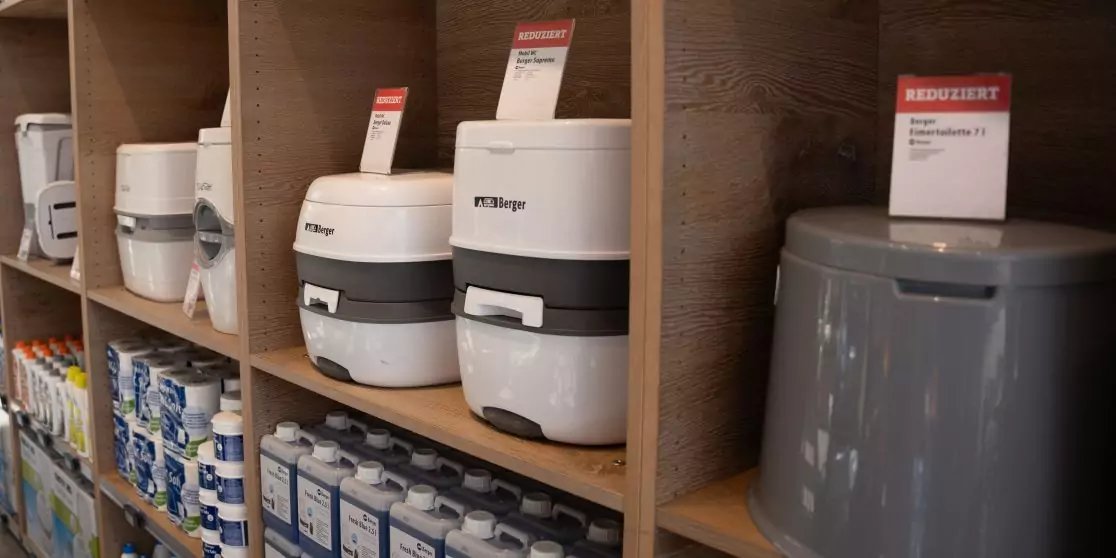
Toilet systems in comparison: Advantages and disadvantages of camping toilets
Which toilet best suits your camping adventure?
There are different toilet variants suitable for mobile homes, caravans and tents. They all work differently and meet different demands. To help you find your way around, here is an overview of all common camping toilets.
Table of contents
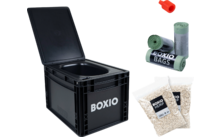
Bag toilet as a camping toilet
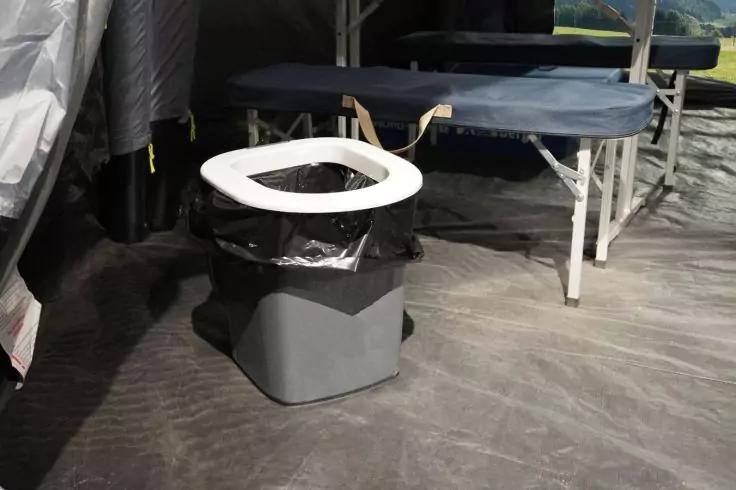
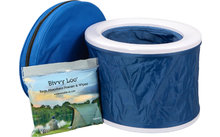
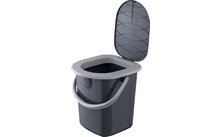
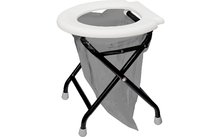
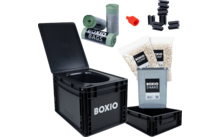
- The bag toilet is one of the dry toilets, because no water is needed when using it. Either a foldable frame or a bucket can be used as a toilet bowl.
- A bag is hung there to collect the droppings. Solid and liquid substances are then absorbed and bundled by an absorbent pad or a type of litter. This reduces the formation of odours.
- The full bag can then be disposed of with residual waste.
- Bag toilets are especially suitable for tent campers. Many anglers also resort to this uncomplicated toilet.
no power / water consumption
space-saving when foldable
no sanitary additives
no cleaning required
mobile
waste is produced
waste must be disposed of
bags / litter must be repurchased
In this blog post you can find more information about the bag toilet.









Chemical toilet as a camping toilet
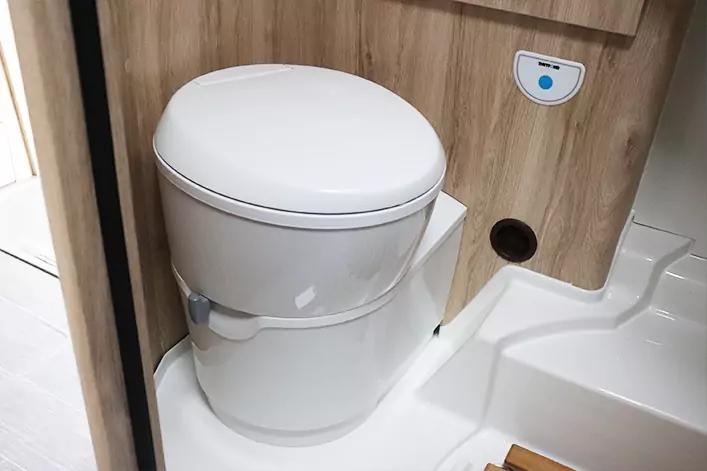
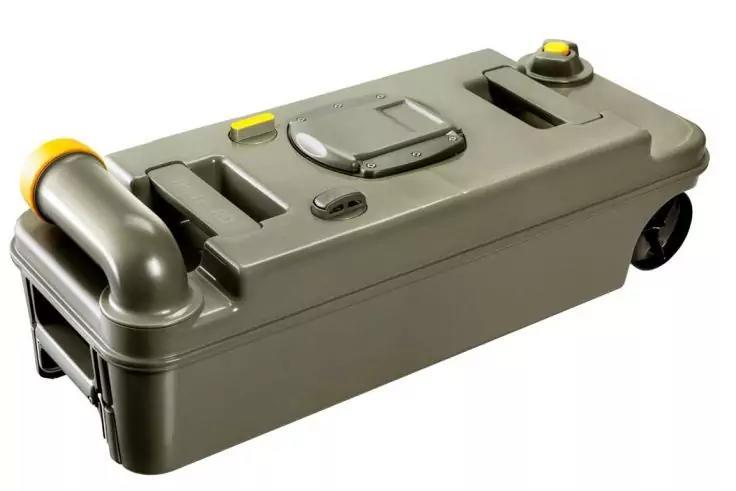
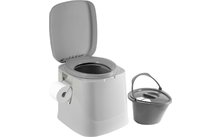
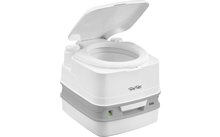
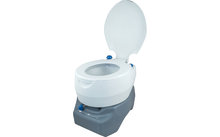
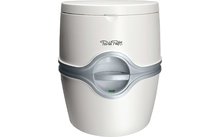
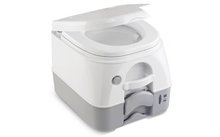
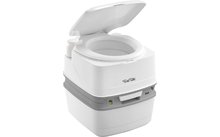
- A chemical camping toilet works with chemical or biodegradable sanitary fluids. These decompose your waste and reduce odours.
- There is a connection for fresh water and an opening that drains the waste water. Depending on the model, a fresh water tank for flushing and a waste-water tank for collecting the toilet contents are integrated into the toilet.
- A pump generates pressure after the session, through which the fresh water flushes away the toilet contents quickly and with as little fresh water as possible. This can also work without electricity.
efficient decomposition
no odour formation
no power consumption in operation with hand pump
simple operation
power / water consumption
use of sanitary products
expensive to buy
emptying only at the disposal station
Here you will learn how to empty the chemical toilet properly.




Dry separating toilet as a camping toilet
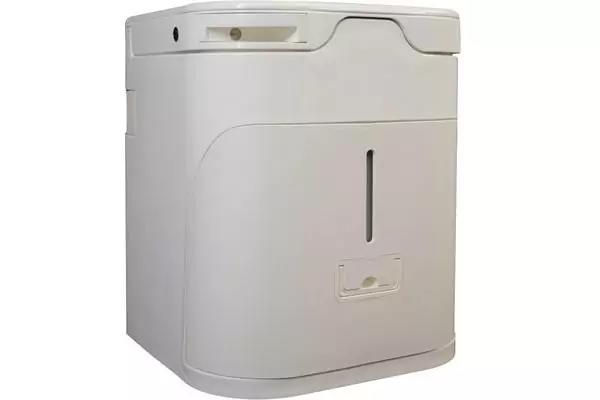
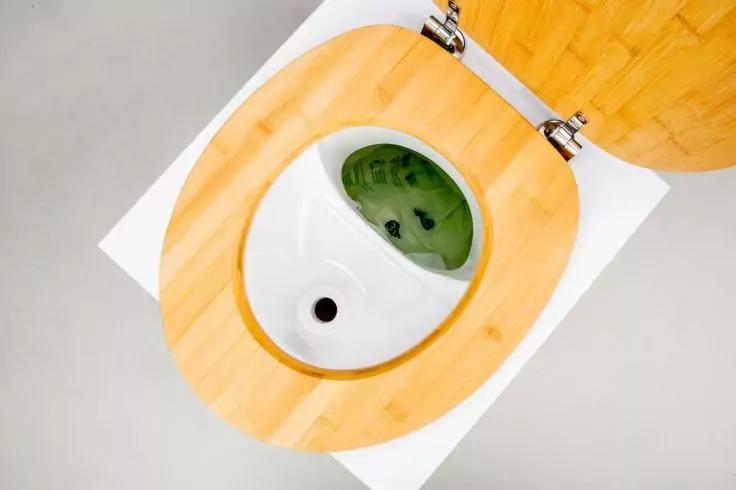
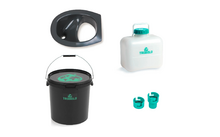
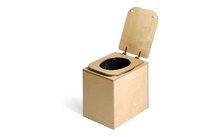
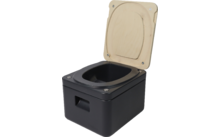
- A dry separating toilet, also called a separating toilet or TTT, has two separate collection containers inside.
- The urine is collected in the front one, the solids in the back one.
- The excreta are absorbed by a kind of litter or granules. It needs neither water nor electricity.
- The solid waste container can be lined with a bag that can be disposed of with the residual waste. Here you can find more information about the dry separating toilet.
no electricity / water consumption
no sanitary additives
self-sufficient standing possible
mobile
waste is produced
waste must be disposed of
bags / litter must be repurchased
Here you can find all dry toilets in the Berger online shop.



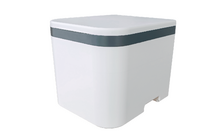

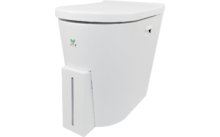

Combustion toilet as a camping toilet
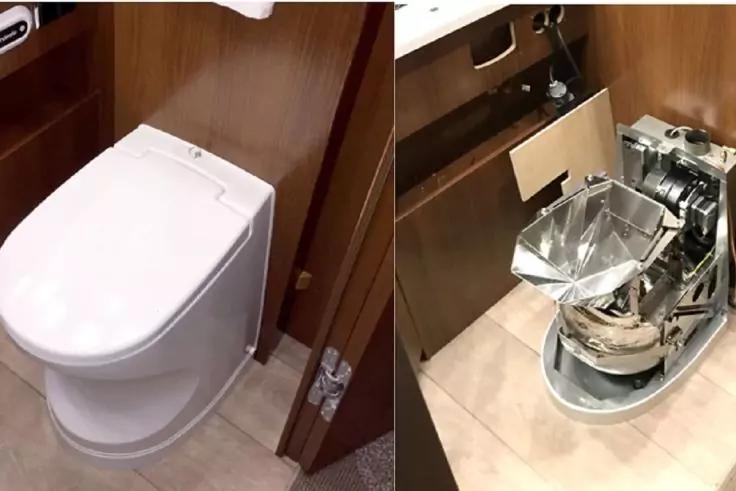
- A combustion toilet looks like a conventional toilet on the outside, except that the inside of the toilet is made entirely of stainless steel.
- A combustion toilet works with electricity and / or gas.
- The waste left in the toilet is incinerated in the combustion toilet. The use of water and chemical products is therefore not necessary.
- The resulting ash is disposed of with the residual waste.
no water consumption
no sanitary additives
self-sufficient standing possible
easy emptying
no waste-holding tank
low space requirement
high acquisition costs
odour development possible
very loud during operation
power / gas consumption
high weight
Here you can find more information about the combustion toilet.


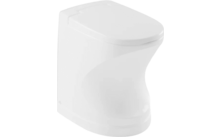

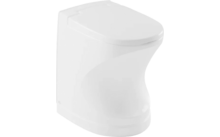
Chopper toilet as a camping toilet
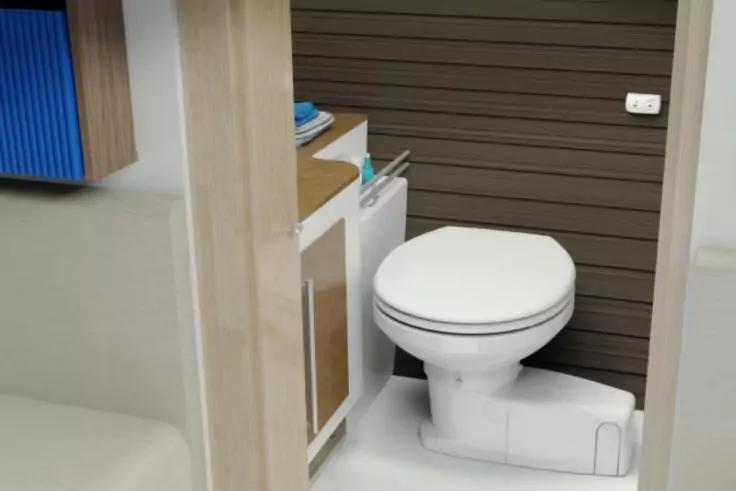
- A chopper toilet works with a chopper. In the process, all waste, including toilet paper, is shredded by sharp knives and then flushed into the waste-holding tank.
- The blades are operated by a motor which must be connected to the 12-V on-board power supply.
- Up to 2 litres, primarily from the grey water tank, are used for flushing.
- The waste-holding tank does not have to be removed from the motorhome or caravan for emptying. You simply connect a hose, which is then connected to the disposal station.
feeling like at home
no sanitary additives
waste-holding tank can be placed independently of toilet
easy and hygienic emptying
large waste-holding tank: self-sufficient for a long time
high purchase costs
high weight
high space requirement
power / water consumption
very loud during operation
This blog post gives you more information about the chopper toilet.
Overview of all camping toilet systems
| Bag | Chemical | TTT | Combustion | Chopper | |
| no water needed | + | - | + | + | - |
| no power needed | + | - | + | - | - |
| no sanitary additives | + | - | + | + | + |
| self-sufficient standing | + | - | + | - | - |
| mobile due to low weight | + | - | + | - | + |
| costs | + | + | + | - | - |
| score | +6 | -4 | +6 | -2 | -2 |
Conclusion: a well-considered purchase
Before buying your new toilet, you need to be clear about what you want from it: Is it unimportant how much electricity your toilet uses, since you only stay on campsites anyway, or would you rather be self-sufficient for a long time? All toilets presented can be retrofitted in camping vehicles. Here you can find all camping toilets in the Berger online shop.