
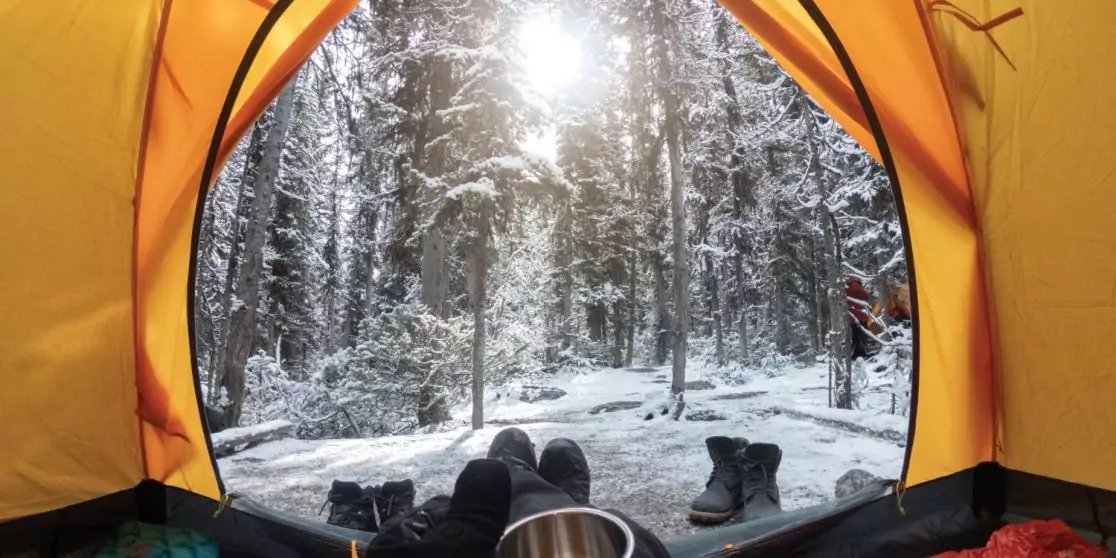

Tips for Winter Camping in a Tent
Equipment tips for the camping adventure in the snow
Camping can also be a great experience in winter. Provided you have the right equipment and observe a few special features when pitching a tent in the snow. These tips will make your first winter camping a success.
Table of contents
The right Tent for Winter
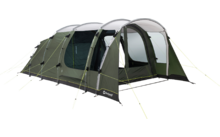
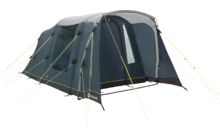
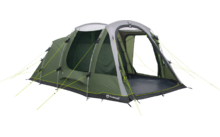
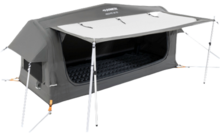
Technically, you can use any weatherproof tent in winter.
- The inner tent should not be made of mosquito net fabric. If snow blows under the outer tent, it can get inside through the mesh fabric.
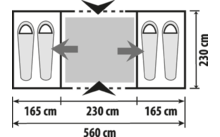
- The interior should be spacious, as you carry more equipment in winter and therefore need more space.
- Stability takes precedence over lightweight construction: in winter, the tent must be more stable to withstand heavy snowfall.
- The entrances should open wide in case the tent gets snowed in. Ideally, a winter tent has more than one entrance.
Here you can find high-quality camping tents in the Berger online shop.




The right Location for Winter Camping
A well-equipped campsite is ideal for the winter camping adventure. You should pitch your tent on as level a surface as possible. A suitable location is one where no branches or icicles can fall on the tent from above. A location under trees is less suitable in winter. On the other hand, it makes sense if the square is surrounded by hedges. Because these offer protection from icy winds and snowdrifts.
Pitching a Tent in Winter
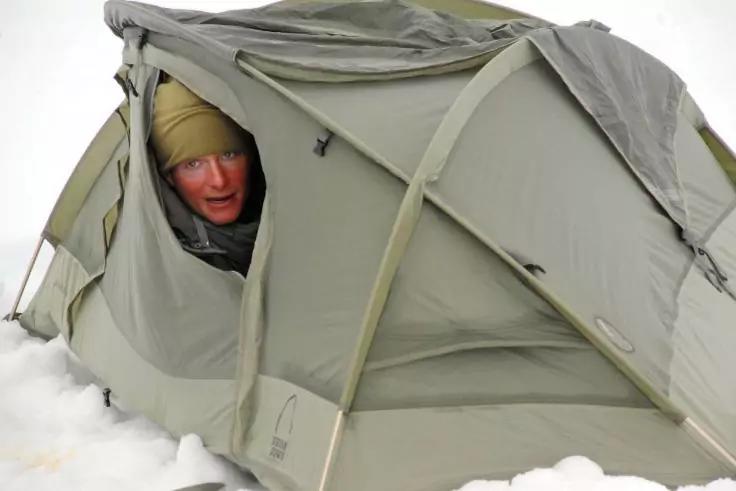
First of all, a very important tip on the subject of pitching: when winter camping, only use a tent with which you are already familiar. Cold fingers or gloves do not make setting up any easier. Therefore, every move should be right in order not to waste unnecessary time and energy during assembly.
- In the depths of winter, you have to pitch your tent on frozen and snow-covered ground. In this case, you should first flatten the chosen spot so that the snow provides a firm base for the tent.
- Pitch the tent so that the entrance is on the downwind side.
- When the ground is frozen, hammering in the pegs can be a challenge. If the ground is too hard for the pegs, you can also tie the guy ropes around a bag filled with snow and bury it at least 10 centimetres deep in the snow.
- Do not pitch your tent at the foot of steep walls, as there is an increased risk of avalanches. This tip is especially relevant for wild camping. On a campsite you usually don't have to worry about avalanches.
Heating a Tent
"Can I heat my tent?" is a valid question. Open fires are taboo in the vicinity of the tent walls in any case. Technically, you can use electric heaters and gas heaters in the tent.
Heating a tent electrically
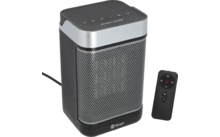
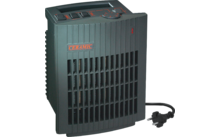
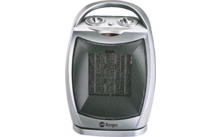
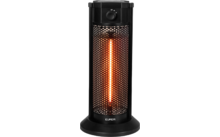
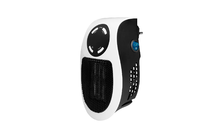
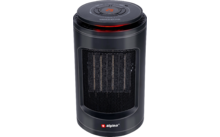
When winter camping, electricity connections at the campsite are a real blessing. Electric heating devices are particularly safe because they produce no exhaust fumes. Ceramic heaters are well suited because their heating elements do not glow. However, you should never operate electric heaters unattended in the tent.
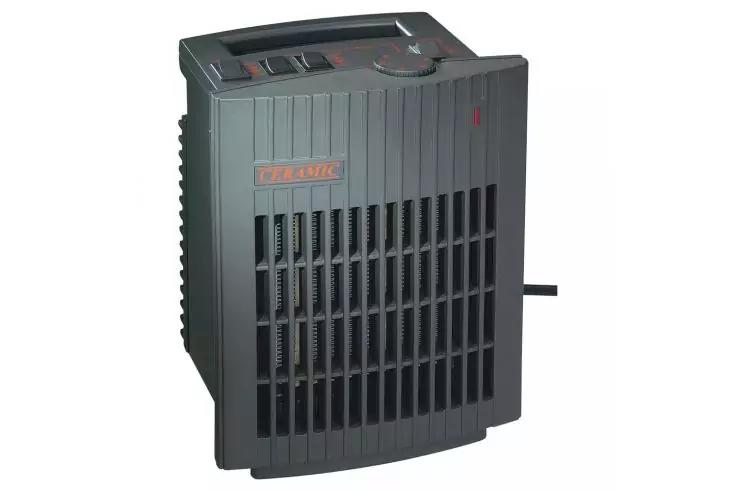
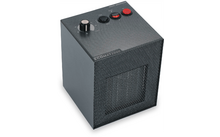
Berger Ceramic Fan Heater Plus
The Berger Ceramic Fan Heater has an overheating protection as well as a safety shut-off that deactivates the device immediately if it falls over.
Here you can find the Berger Ceramic Fan Heater Plus in the Berger online shop.






Heating a tent with gas
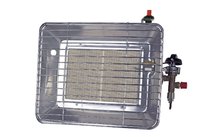
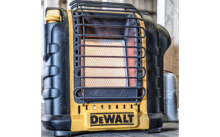
With appropriate precautions, you can also use a gas heater in the tent. However, very important rules apply:
- Never leave a gas heater unattended.
- Do not use the gas heater while you are sleeping.
- Do not place the gas heater near the tent walls or other flammable objects.
- Make sure that enough fresh air gets into the tent. Gas heaters produce dangerous carbon monoxide.
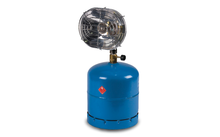
Use a gas lantern in the tent. Because unlike electric lamps, gas-powered luminaires also give off heat.
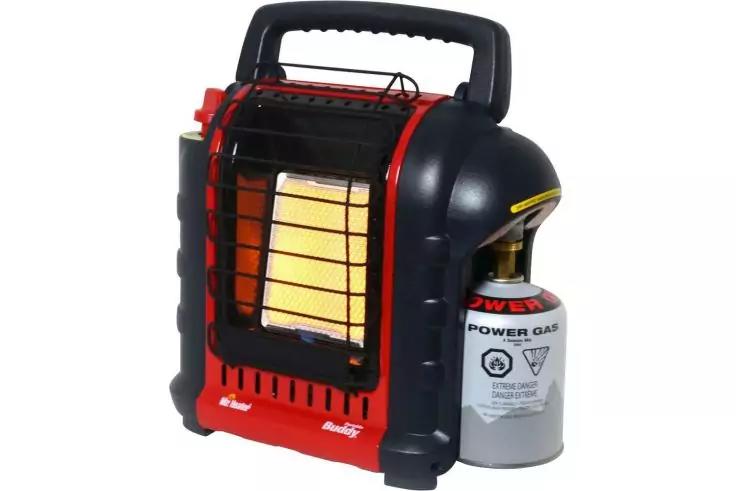
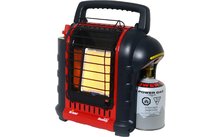
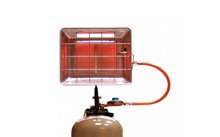
Mr. Heater Portable Buddy
The compact gas radiant heater from Mr. Heater is suitable as a tent heater. The gas heater is operated with screw-in cartridges. The integrated safety cut-out ensures that the heater is switched off if the oxygen content in the ambient air is too low. Find out more about gas heaters in this article.
Here you can find the all gas heaters in the Berger Onlineshop.






Camping Mat for Winter Camping
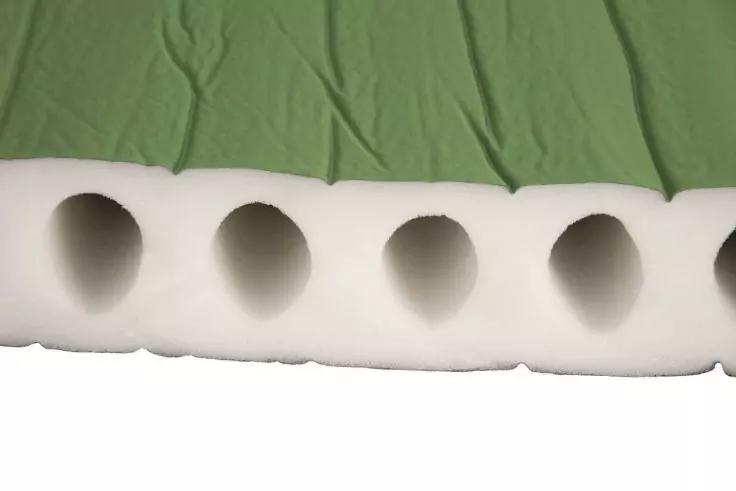
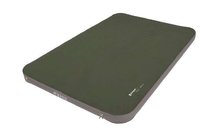
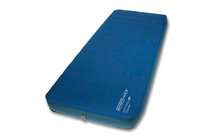
When winter camping, the sleeping pad must not only provide sufficient lying comfort. It also serves as an important protection against the cold. When camping in winter, use a mat that is as thick as possible as a sleeping pad. Small pack size and low weight are secondary considerations when it comes to winter camping equipment. Some self-inflating sleeping pads have a foam core. This additionally increases the thermal performance compared to mats that only contain an air cushion.
extra thick sleeping mats







Sleeping Bag for Winter Camping
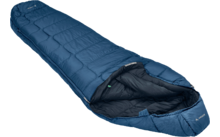
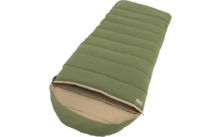
A warm sleeping bag is the be-all and end-all on cold nights. In winter, a mummy sleeping bag is very suitable, as it fits closely to the body and thus has a particularly high thermal performance. In terms of heat output, the comfort temperature is decisive. This should definitely cover sub-zero temperatures. Remember that the temperature in the tent is always slightly higher than the ambient temperature. Because your body heat alone warms the air in the tent over time. You can find a detailed guide to buying a sleeping bag here.
Winter sleeping bags that can withstand even cold temperatures


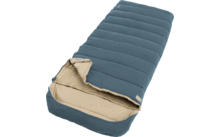
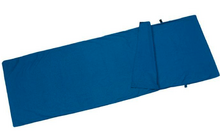
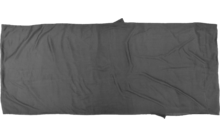
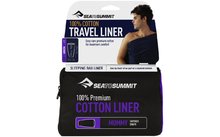
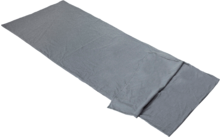
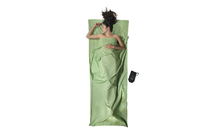
A liner, also called a hut sleeping bag, is a useful addition for even greater warmth comfort. Mostly, liners are made of thin cotton, polyester or silk. They are placed inside the sleeping bag and increase the warmth.




Conclusion: Camping in Winter Wonderland
Camping in winter can be an adventure for the whole family. Provided the equipment and weather conditions are right. Plan your first winter camping trip in constant sub-zero temperatures. Then the air is drier and the cold is easier to bear than during a thaw.
