
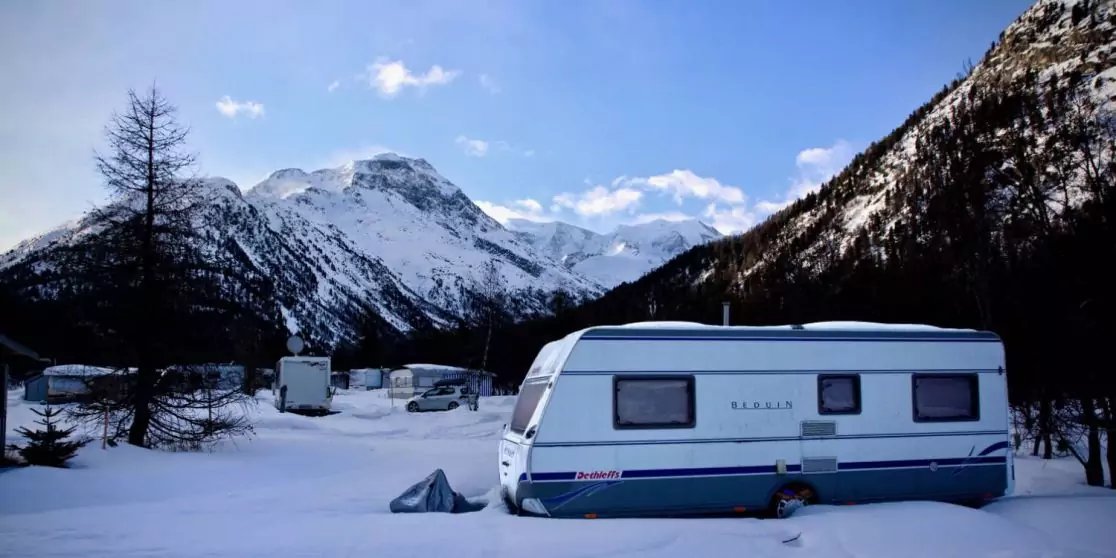



Protect the waste-water tank from frost
Disposing of grey water when winter camping
Sub-zero temperatures cause the grey water to freeze. The waste-water tank cannot then be emptied and the drain valve can burst. I show you how to insulate and heat the grey water tank so that water disposal works when winter camping.
Table of contents
- Waste water in the motorhome is barely protected from the cold
- Insulate waste-water tank for more winter suitability
- Heat grey water tank with adhesive foil
- Tank heaters optionally with 12 or 230 volt
- Heating rods are not suitable as tank heaters
- Protect waste water in the caravan from frost
- Conclusion: Think about waste water when winter camping
Waste water in the motorhome is barely protected from the cold
In motorhomes, the waste-water tank is always underfloor and thus outside the heated living space. This is an advantage in terms of centre of gravity and space requirements, but for winter camping the contents of the grey water tank are exposed to an increased risk of frost.
Very few motorhomes are equipped with a winter-proof waste-water tank at the factory. However, campers can also retrofit insulation and tank heating for the grey water tank.
Here in the blog you can read how to protect the entire water system from frost in winter.
Insulate waste-water tank for more winter suitability
A motorhome suitable for winter use should always have an insulated waste-water tank. If the tank is only heated, too much heat is lost unnecessarily. PE foam mats or insulation boards with a thickness of 20 to 30 millimetres are suitable as insulation. Since waste-water tanks can be very different in shape, there are no ready-to-install insulations available for purchase in specialist shops. Instead, you have to cut the insulation mats, which are available by the metre, to size yourself and glue them to the outer tank walls.
It is important that the drain cock and drain valve are also protected from frost. Otherwise, the grey water tank can no longer be emptied during winter camping.

Here you can find all products for frost protection in the Berger online shop.
Heat grey water tank with adhesive foil
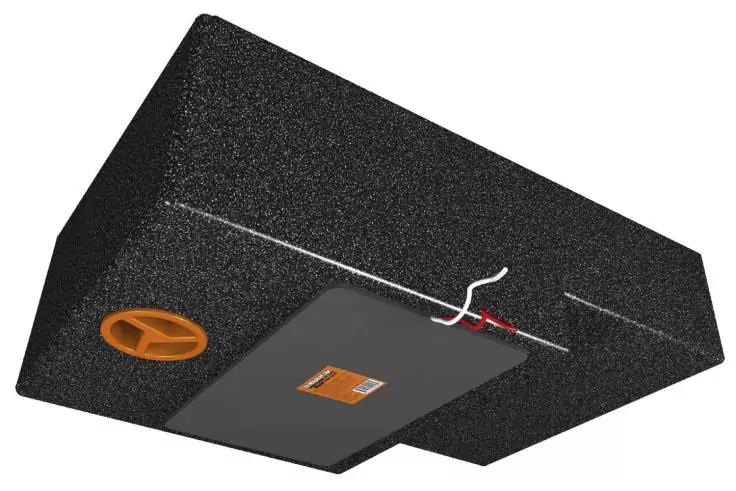
An insulated waste-water tank will survive mild winters without frost damage. However, if the temperatures fall far below zero, the grey water must be heated additionally. A tank heater, such as the Lilie Ultra Heat TH110, heats the waste-water tank from the outside. The adhesive foil is equipped with 12-volt heating wires that activate automatically at a maximum outside temperature of 7 degrees. Heating foils are available in different sizes and power levels for waste-water tanks with a capacity of up to 110 litres.
Here you can find the Lilie Ultra Heat tank heater in the Berger online shop.
These heating foils and heating cables keep the waste-water tank frost-free

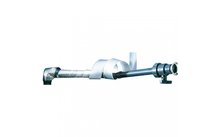
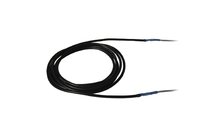

Tank heaters optionally with 12 or 230 volt
Tank heaters are basically differentiated by the power supply with 12 or 230 volt. The latter are significantly more powerful, but can only be operated with shore power. Due to the long operating time and high power requirements, a 230-volt tank heater should not be operated from battery power and an inverter. 12-volt heating foils offer lower heating power, but can be operated with battery power.
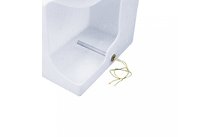
Heating rods are not suitable as tank heaters
You should not use a heating rod or cartridge heater to heat the waste-water tank. This is because heating elements must be completely enclosed by water during operation. By using one in an empty or only partially filled grey water tank, heating elements may not function properly and, in the worst case, may even overheat.
Theoretically, you could activate a heating rod only when the waste-water tank is filled with a certain amount of liquid. In practice, however, this procedure makes little sense, as the tank contents may already be frozen by the time the required fill level is reached.
Protect waste water in the caravan from frost
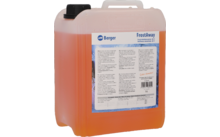
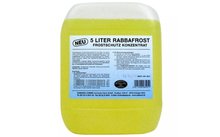
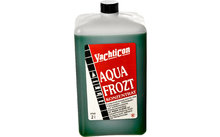
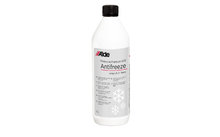
Caravans do not usually have a fixed waste-water tank. Instead, the domestic water drains outside via a hose and collects there in a bucket or a rollable tank, also known as a water taxi. To prevent freezing, you can fill the water taxi with a certain amount of antifreeze. Make sure that the antifreeze is safe for your health. Special antifreeze that is approved for drinking water systems is available from specialist camping dealers. Here you can find antifreeze in the Berger online shop.




Conclusion: Think about waste water when winter camping
The waste-water tank is the Achilles' heel of winter camping. As it is outside the heated living space, frost damage cannot be ruled out. If you want to use your motorhome in winter, the waste-water tank should definitely be insulated and, if necessary, heated. Caravan owners have it a little easier, because there is usually no grey water tank in the caravan. In this case, campers can help themselves by adding a suitable antifreeze to the mobile tank.
