
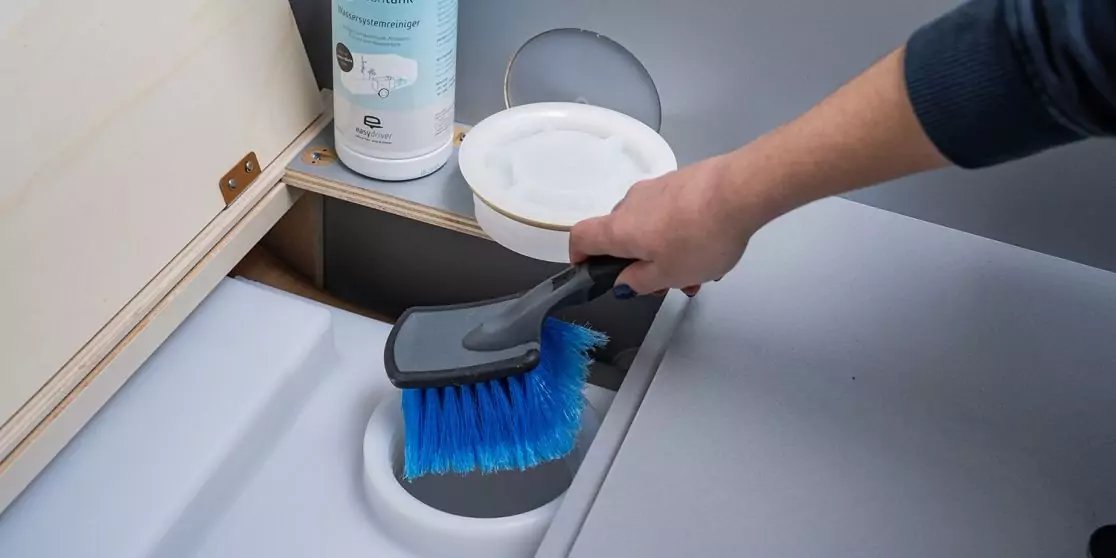



How to keep the water system hygienically clean
Fighting biofilm and bacteria with the right cleaning agent
Twice a year you should clean the fresh water system in your motorhome or caravan. Otherwise bacteria and limescale will settle in over time. Here you can find out what is important when cleaning the water tank and which products are suitable for this.
Table of contents
Biofilm: the basis of bacterial evil
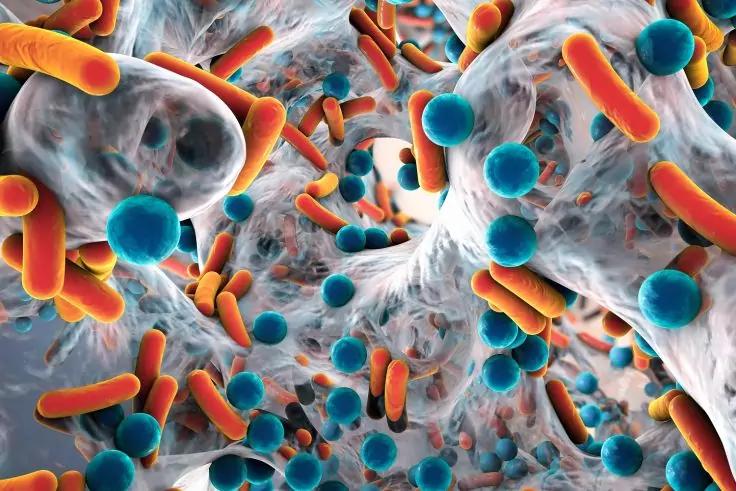
The keyword biofilm always comes up in connection with contaminated water tanks. This is a layer of slime that serves as a breeding ground for various micro-organisms. These include fungi and legionella as well as various bacteria. In the biofilm, these micro-organisms are protected from temperature fluctuations and chemicals. In addition, UV radiation does not penetrate the biofilm, which makes the slimy layer the ideal habitat for undesirable micro-organisms.
<Biofilm is a stubborn companion. And not every water tank cleaner can cope with it. Suitable cleaning agents with which biofilm can be removed are often based on active oxygen, fruit acids or chlorine dioxide. Usually you will also find a note on the product packaging, for example „removes biofilm“.
Here's what to look for in cleaning products
As with all cleaning products, there are countless opinions on which water tank cleaner is the best. Since you do not always see contamination in the water tank, and contamination with pollutants cannot be seen with the naked eye anyway, you must have confidence in the effectiveness of the cleaning agent.
In principle, well-known manufacturers test their tank cleaning agents extensively. This is not only about the cleaning performance, but also about the material compatibility with hoses, pump, fittings and the tank itself.

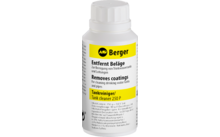


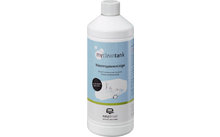


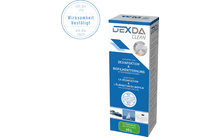



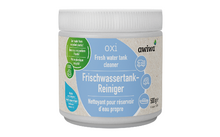

The manufacturers of approved tank cleaning agents are legally obliged to state certain product properties in a safety data sheet and to make this available to the customer. At Fritz Berger you can also view the safety data sheet directly in the online shop. In the multi-page document, you will find information on important substance properties (e.g. at what temperature the substance burns) as well as information on storage, environmental compatibility and any necessary first aid measures in case of accidental ingestion.
Is tank cleaning with home remedies recommended?
Some campers swear by various home remedies for tank cleaning. These can also have a certain cleaning and even disinfecting effect. One of the home remedies often recommended, but controversial among experts, is denture cleaner.
It is a fact that Kukident and Co. eliminate bacteria – after all, they also do this job for dentures and braces. However, denture cleaner does not combat limescale deposits. Thus, after tank cleaning, the bacteria behind the limescale layers can multiply again. With many household remedies, the question also remains whether the substance can be rinsed out of the water system without leaving any residue. As a rule, denture cleaning tabs never dissolve completely. If the residues settle in the pump, they can clump together and cause damage. In addition, material compatibility with the pump, hoses and fittings is not guaranteed.
How to clean the water tank
Here you can find out how the cleaning of the water system basically works. However, always follow the application instructions of the cleaning agent used. Depending on the product, the application may differ in certain points. In particular, you should always follow the manufacturer's instructions for the application time of the cleaning agent.
In this blog post we show you exactly how to clean your tank with Berger tank cleaner.
- Find a suitable location. When cleaning the water tank, you have to fill up and drain a lot of water. Therefore, you should not carry out this maintenance work in a public car park. It is ideal if you can park your caravan or motorhome on your own property. With a motorhome, you can also drive to a pitch with a supply and disposal system to clean the water tank.
- Empty the water tank. First, drain the water. Open all the taps to flush the pipes free as well.
- Mechanical pre-cleaning. With a brush or sponge, you can break up the biofilm in the water tank. With this mechanical preparatory work, you make it easier for the cleaning agent to unfold its effect later. For this work, the water tank is specially equipped with a so-called inspection opening. With many camping vehicles, however, it is not at all easy to get into the water tank by hand or with tools. Especially in modern motorhomes, the water tank is often not a square box.
- Add the cleaning agent. After roughly scrubbing the water tank, fill it with fresh water. Add the cleaning agent according to the package instructions. Some preparations must first be mixed separately, e.g. in a bucket, with a few litres of water. Also briefly open the taps so that the water mixed with cleaning agent also gets into the hoses and (shower) fittings.
- Rinse thoroughly. At the end of the application time (this can be between a few hours and a day, depending on the cleaning agent and the degree of contamination), you must rinse out the tank cleaner and dissolved contamination. To do this, open all the taps until the fresh water tank is empty. Now it is a good idea to let the drained water take effect in the waste-water tank for a while. This prevents unpleasant odours. Then rinse the water system once again with fresh water and also empty the waste-water tank.
Water tank cleaners at a glance
I recommend the following tank cleaners for cleaning the water system. Here you can find all cleaning products in the Berger online shop.
Conclusion: always keep clean
At home, clean drinking water is taken for granted. In a motorhome or caravan, you should have the same expectations of cleanliness and hygiene. Because fresh water is also intended for brushing teeth, washing dishes and drinking on the road. Do not skimp on cleaning the water system, because in the end you are also saving on your health.
