



Helpful hints for wild campers
7 facts about staying close to nature
Sleep under the stars and enjoy the solitude of the great outdoors. Far away from everyday stress and street noise. So that you can really enjoy wild camping, you can find helpful tips here on how to spend the night close to nature.
Table of contents
What exactly is wild camping?
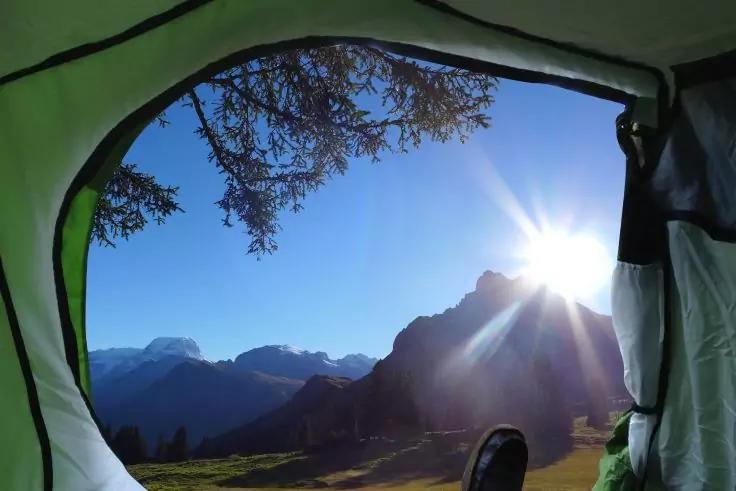
Wild camping is sleeping in the great outdoors, far from civilisation and the infrastructure of a campsite or pitch. You can go wild camping in a tent, in a caravan or even with a camper van. However, the latter is often described as „free standing“.
When free camping, a distinction is made between spending the night in a tent or in a bivouac.
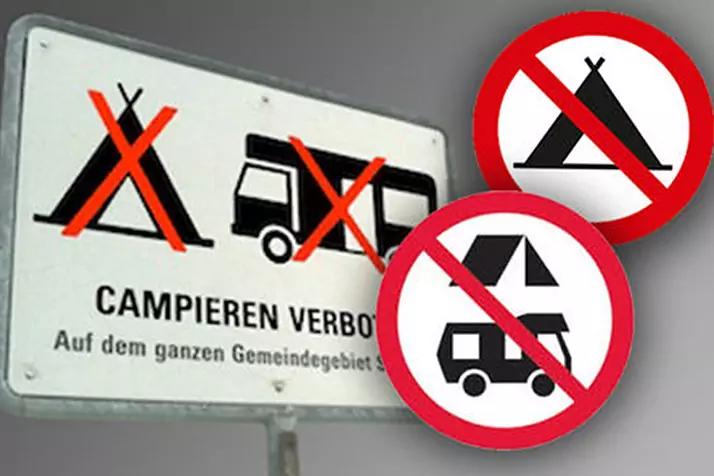
However, wild camping is only permitted in a few countries. In Germany, wild camping is prohibited. Bivouacking, on the other hand, is neither permitted nor prohibited in this country. It falls into a grey area. You can find out in which countries you can legally go wild camping in this article.
Bivouacking
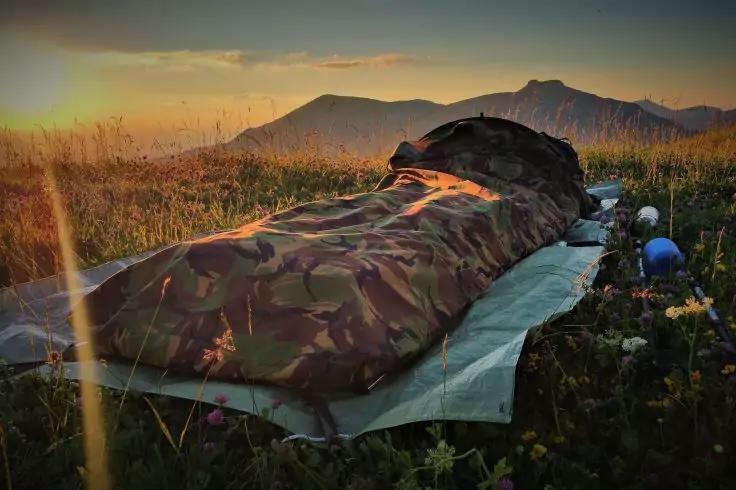
Bivouacking refers to sleeping in a sleeping bag in the open air or under a tarpaulin or tarp. Here, a „camp“ is set up for a short time for rest or as emergency accommodation to continue one's hiking/trekking route the next day.
What are the regulations for wild camping?
Even though free camping is only allowed in a few places, it will be even more pleasant for you and other campers if you follow a few rules. First and foremost, of course, the local regulations for wild camping apply. However, one often encounters recurring principles that are very similar in many countries.
The legal basis for wild camping in Scotland is the „Scottish Outdoor Access Code“ and in Scandinavia the „Allemansrätten“. These laws grant every person access to nature. Provided you show consideration for the environment and act responsibly. This results in:
7 Tips for Wild Campers
1. Choose a suitable pitch
Your campsite may force you to leave early or give you a pleasant stay if you observe the following:
- Seek solitude and avoid tourist infrastructure.
- Do not camp in coastal regions, but rather prefer the hinterland.
- Nature reserves or national parks are taboo.
- Camping near places of interest is also not allowed.
- Do not pitch your tent within sight of roads, footpaths or towns. Of course, this also includes not sleeping next to a house.
If you come across private land on your tour, usually marked with fences and signs, you must politely ask the owner for permission to sleep on their property. In practice, this is difficult in extensive meadows and forests, so we advise you not to camp on private land. If you are caught on a property and the owner wants you to leave, you should dismantle your camp without hesitation.
In the mountains above the tree line, bivouacking for one night is often unproblematic.
2. Do not leave rubbish
As a guest of fauna and flora, you should behave respectfully towards your host. Leave nothing behind after your stay. Neither rubbish nor food scraps, this includes banana peels or toilet paper.
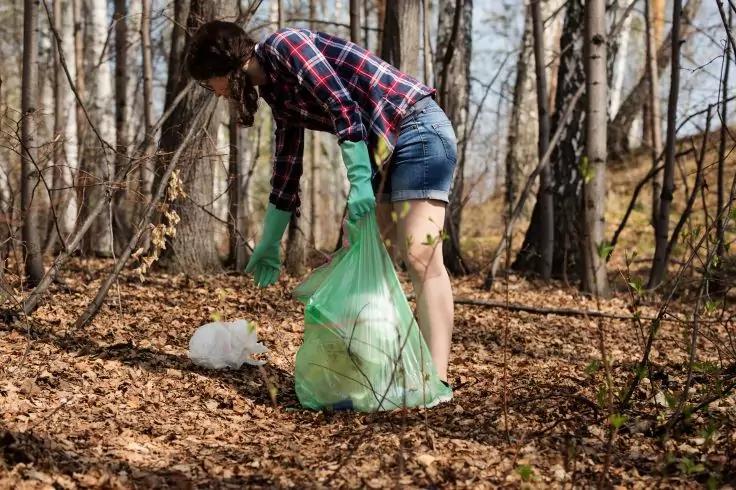
For washing up, you can use biodegradable washing-up liquid. No one should notice that you have been in this place. Excreta should be buried or covered and used paper should be taken away.
3. Do not make a fire
Fireplaces not only destroy nature, they are also a danger. Especially in warm and dry areas, forest fires can have dramatic effects. Pack food that does not need to be heated or use a portable gas cooker.
4. Avoid noise
When you camp in nature, you invade the habitat of different animals. During the breeding season, you should be especially quiet and considerate. That does not mean you cannot talk, but music and loud bawling are not appropriate.
5. Keep a low profile
At best, you are travelling alone or in pairs and limit your stay to one night. Camping in a group is therefore out of the question. By the way, the overnight stay is only a means to an end to continue your tour the next day. No one should know you are there and you should leave nothing but your footprints. You should refrain from obvious camping, with camping chairs and clothesline.
It is better to use a small tent or tarp so that as little ground area as possible is affected. It also makes sense for the outer shell of your tent to have inconspicuous colours.
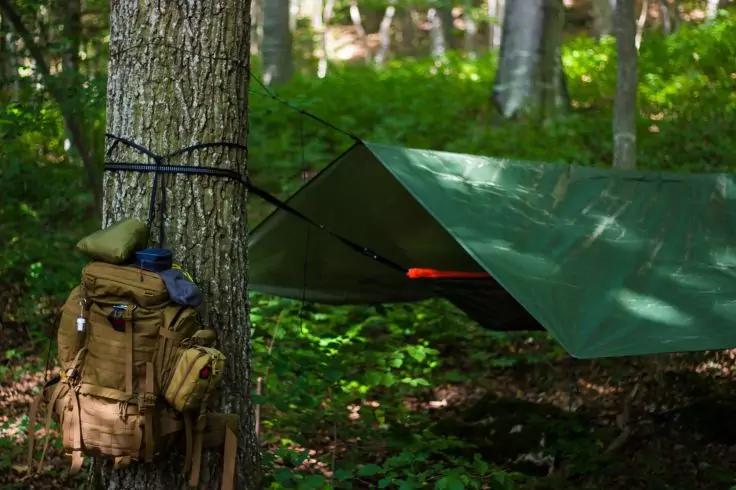
6. Setting up camp at dusk
Set up your tent camp late in the evening and take it down early in the day. That way, no one will notice your overnight stay. If someone points out that you are not allowed to stay overnight, you can politely say that you are just resting.
7. Protect yourself from danger
It is not without reason that sleeping in the wilderness is forbidden in many places. Because it can also be dangerous when you sleep in the open:
- a surprisingly sudden storm
- a sudden thunderstorm
- falling trees
- torrential rains
- rising rivers
- herds of animals or wildlife
- in the mountains: rockfall and avalanches
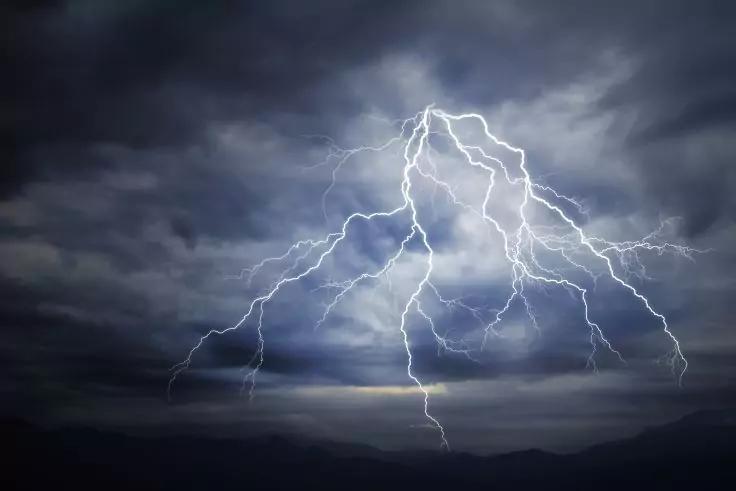
In order to enjoy nature and its environment safely, you should choose your location well so as not to get into an emergency situation even in the situations described. Find out about the weather before your tour and get to safety in good time in case of storms.
Conclusion: Wild camping only with respect for the environment
Wild camping is not welcomed in many places, often it is even forbidden. Where you are allowed to stand freely with your motorhome or camp freely with your tent, you should behave considerately towards your environment. Then neither humans nor animals will feel disturbed by your stay.
