
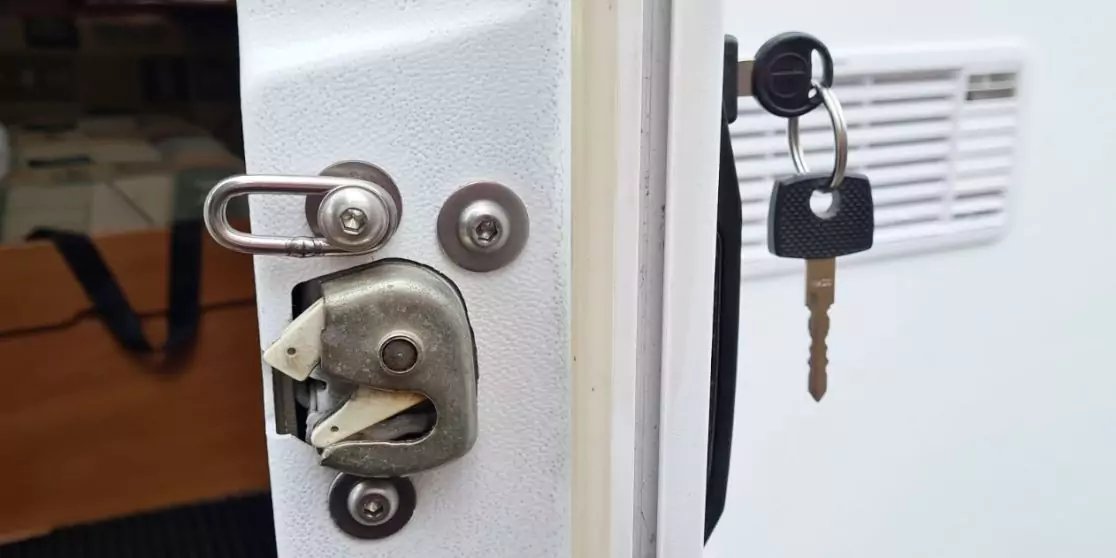



Clean and maintain locks on caravans and motorhomes
Making jammed locks fit again
Body door, gas bottle box or service flap: Everything on the motorhome or caravan is secured with locks. They need care to maintain their functionality. You can find out how to oil, remove and clean the lock cylinder here.
Table of contents
Products for the care of locks
For the care of mechanical lock cylinders, there are special care products that do not resinify and do not stick. In the past, door locks were sprayed with graphite spray, but this method is controversial nowadays. Cooking oil is not suitable for door lock care because it becomes viscous over time. Generally, locks should not be greased, as dust and dirt quickly accumulate on the grease, which then clogs the lock again. Caution: If a locking cylinder has been cleaned or maintained incorrectly, it usually needs to be replaced. In addition, some manufacturers refuse warranty claims if the wrong care product has been used on the locking cylinder. Therefore, always use the product recommended by the manufacturer.


Berger lubricant spray is a water-repellent, non-greasy lubricant, protective and release spray. It reduces friction on metal and plastic parts and acts as corrosion protection on electrical contacts, screws and the like.
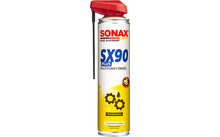

Sonax Multifunctional Oil must be shaken well before use. Spraying takes place directly from the red spray head; for a more targeted jet, the EasySpray tube can be folded upwards.

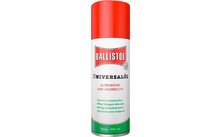

Ballistol Universal Oil is food-safe, particularly skin-friendly and biodegradable, which is why you can use this oil on the outside of the vehicle without any problems. The can holds 200 ml of oil and has a removable dosage tube.
WD-40 is also good for maintaining locks, as it cleans and lubricates at the same time.
How do I maintain locks on the caravan / motorhome?
Now you can learn how to oil and clean locks properly.
Oiling the lock
You do not need to remove the door lock for simple oiling. Give a small spray of care product directly into the lock cylinder. The small tube on the spray head can help here. Now insert the key into the keyhole and carefully turn it back and forth several times.
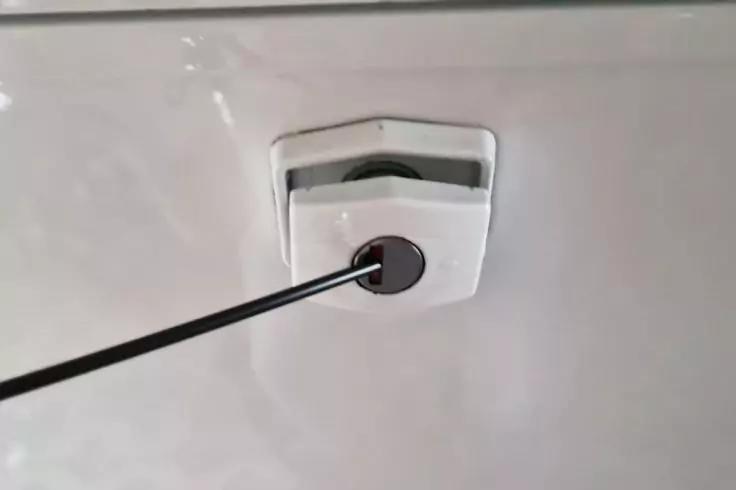
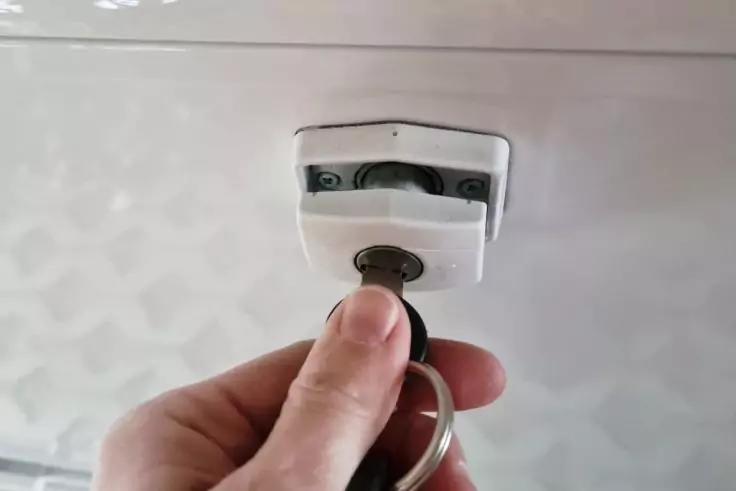
You should clean and maintain the lock on your body door once a year. After all, it is located on the outside of the vehicle and is exposed to wind and weather without protection.
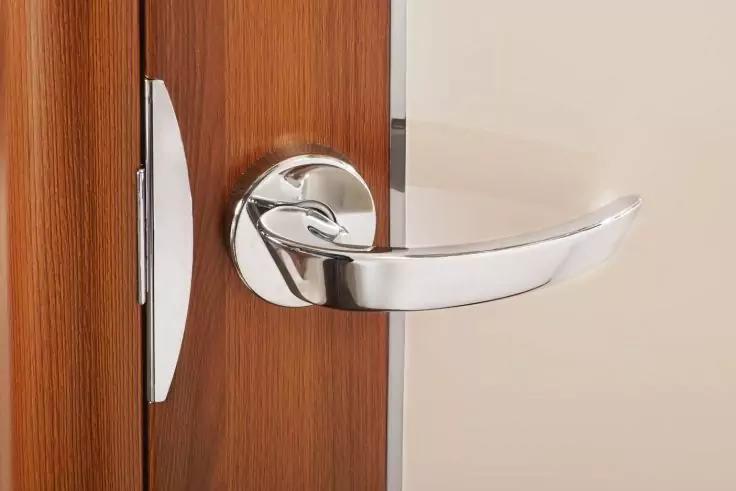
Handle sets without a lock cylinder, such as on this bathroom door, should also be maintained so that the locking mechanism can be operated without any problems. To do this, put a spray of oil into the mortise lock and then press the handle several times so that the oil can spread.
Removing and cleaning the lock
If the lock is noticeably heavy, too much dust and dirt have accumulated over the years. If you oil it now, the lock cylinder will just stick and jam even more. That is why it must now be completely cleaned. It is removed for this purpose. But do not worry: this process is not difficult.
To do this, open the door or flap on which the lock is located.
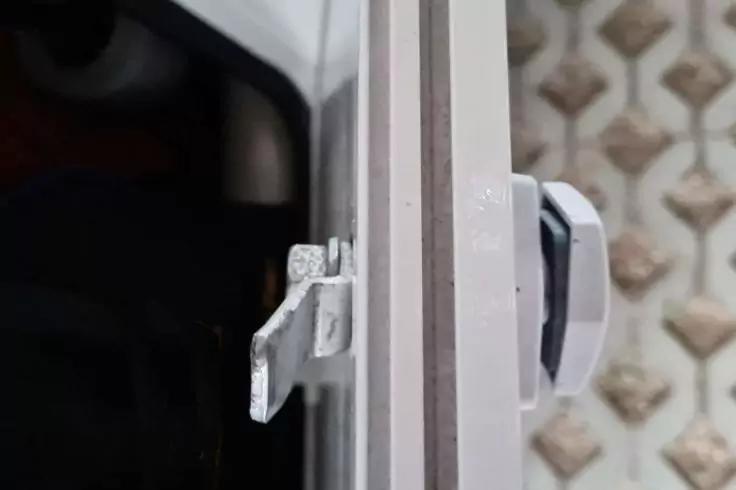
Loosen the screws on the front of the lock cylinder or the outside of the lock.
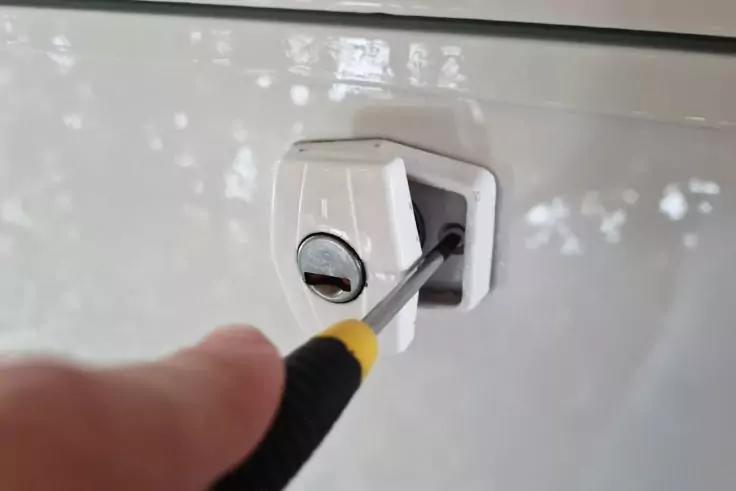
Loosen the fastening on the inside of the flap.
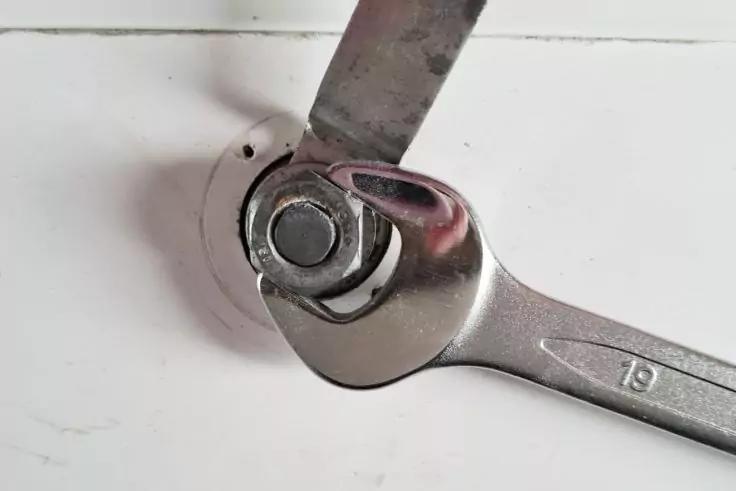
Now pull out the door lock.
Check all parts of the lock for damage. Broken or cracked metal parts must be replaced.
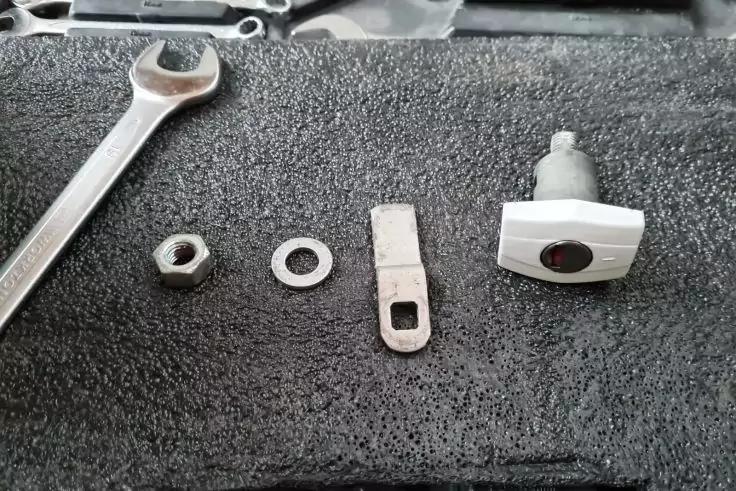
Clean the lock and the cavity where it has been sitting with a hoover. Do not blow it out with compressed air, as you will only blow the dirt in deeper.
Remove stubborn dirt with a toothpick or cotton swab and some lukewarm soapy water.
Let everything dry well afterwards.
Oil the locking mechanism thoroughly before reinstalling the lock.
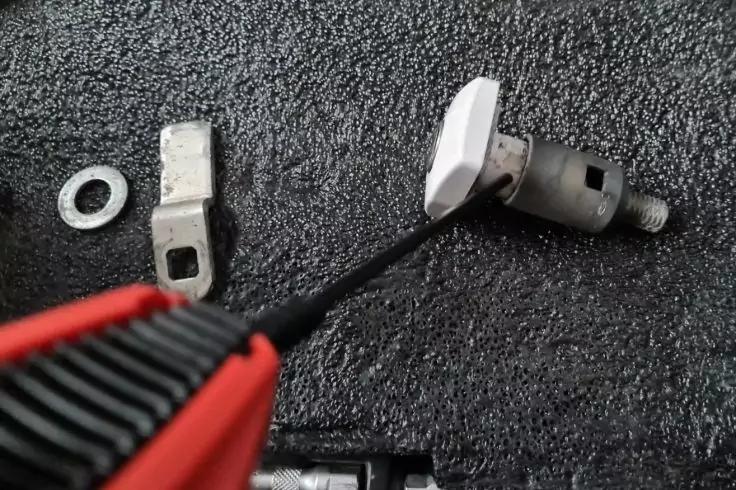
If the lock is still difficult to operate after cleaning, it will most likely need to be replaced. Locksmiths recommend replacement after 15 years at the latest, as the lock cylinder wears out after this period and can no longer perform its service reliably.


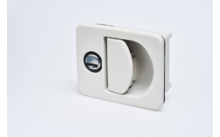

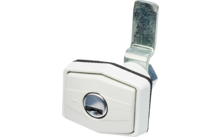
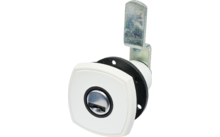
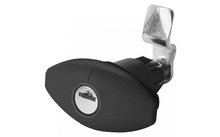
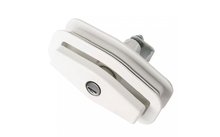
Locks in winter
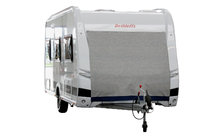

When snow melts on the roof of the motorhome or caravan, the water runs down the outer wall and thus also past some locks. Sooner or later this water will freeze again and the hinges or locks may freeze. There is a good chance that the lock on the gas cylinder box will be frozen shut just when you need to change the gas cylinder. Bow protective covers can help against this. Tip: it is also best to keep a small bottle of door lock de-icer with you at all times – just in case.
Conclusion: low effort for maximum safety
Exterior locks in particular need to be maintained from time to time. Take the manufacturer's recommendations for cleaning the lock seriously, as the wrong care product can destroy the cylinder. Your well-maintained locking cylinder thus offers you maximum security.