
Gas
Camping Gas powers cooking, heating and refrigeration on the road. Choose safe cylinders, approved regulators and leak-tight hoses to keep your caravan or motorhome efficient, compliant and ready for every trip.
Read more about Gas ...











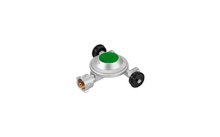
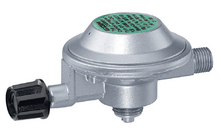



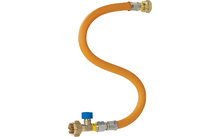

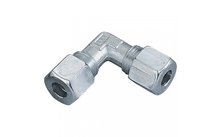

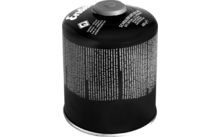
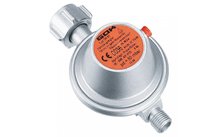

Camping Gas
Reliable camping gas keeps life comfortable in your caravan or motorhome. With the right cylinders, regulators, hoses and detectors you can cook, heat and cool safely while meeting legal and safety expectations across European campsites.
Camping Gas Basics For Touring
Start by checking which cylinder types and connections are supported in your travel region. Pair each bottle with the correct regulator and a high-quality hose, then add leak detection and proper ventilation. Keep components accessible for quick checks before and after each drive.
Gas Cylinders And Bottle Types For Camping Gas
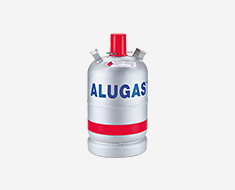
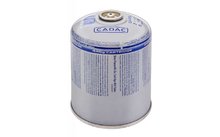
Steel, aluminium and composite cylinders each balance weight and durability differently. Choose sizes that suit your locker dimensions and travelling style, and secure bottles upright with approved straps.
Changing Bottles In Your Camping Gas Setup
Close the valve, ventilate the locker and follow the coupling direction on the connector. After fitting, perform a soapy-water test at all joints to confirm a tight seal.
Gas Regulators And Pressure Control For Camping Gas
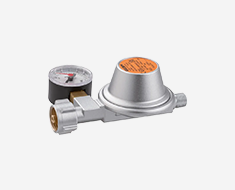
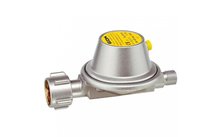
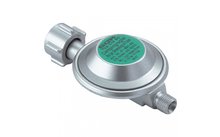
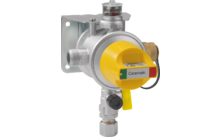
Regulators match bottle pressure to appliance needs. Common touring setups use 30 mbar systems; always verify appliance ratings. Add an integrated crash sensor or pigtail with rupture protection where required for travel safety.
Fixed Vs Portable Camping Gas Regulators
Fixed bulkhead regulators reduce strain on the bottle valve and simplify swaps. Portable regulators are compact for occasional use or external cooking stations.
Maintenance Of Camping Gas Regulators
Replace pigtails and seals at stated intervals. If you smell gas or see frost build-up under normal load, stop using the system and troubleshoot before continuing.
Camping Gas Hoses, Pigtails And Fittings
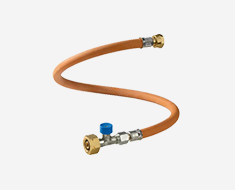
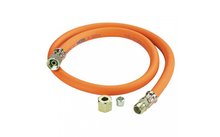
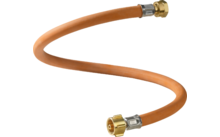
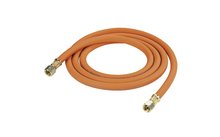
Use certified hoses in the right length to avoid tight bends. Keep runs short and protected from heat and abrasion. Choose fittings that match national standards and avoid stacking adapters that add leak points.
Leak Testing In Camping Gas Lines
After any change, test joints with leak-detection spray or a soapy solution. Bubbles indicate a leak—close the valve, re-seat the fitting and retest.
Ventilation And Locker Design For Camping Gas
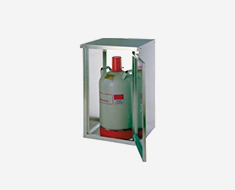
Gas lockers must vent to the outside at floor level. Keep drains clear and never store ignition sources or batteries inside the locker.
Appliances For Camping Gas: Cooking, Heating, Cooling
Cookers, heaters and absorption fridges designed for camping gas offer quiet, efficient comfort off-grid. Check clearance requirements and flue routing for heaters and fridges, and use flame-failure devices where specified.
External Cooking With Camping Gas
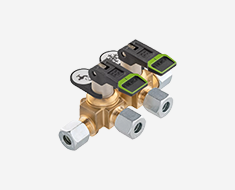
Quick-connect outlets let you run a BBQ or stove outside the awning. Fit a shut-off valve near the outlet and cap the connection when not in use.
Efficiency Tips For Camping Gas Appliances
Use windshields on outdoor stoves, keep burners clean and descale jets if flames become yellow or uneven to restore performance.
Safety Equipment For Camping Gas Systems
Add CO and gas detectors, and keep an appropriate fire extinguisher accessible. Route hoses away from sharp edges and heat sources, and label shut-off valves for quick action.
Travel Safety And Camping Gas
Close bottle valves before driving unless your certified system allows operation in motion as per local rules. Recheck connections after long journeys.
Inspection And Service Of Camping Gas
Follow service intervals, replace dated hoses and keep receipts for regulators and safety devices. A brief pre-trip checklist prevents most issues.
Accessories And Spares For Camping Gas
Carry spare O-rings, a regulator gasket, caps, a universal spanner and leak-detection spray. A compact parts kit saves time on the pitch and keeps your camping gas system running smoothly.
Seasonal Storage For Camping Gas
Store cylinders upright in a ventilated area, caps fitted. Over winter, disconnect appliances, cover outlets and check hoses for stiffness or cracks before spring.
