
Gas Scales
With gas level indicators, you can keep track of your gas supplies in your motorhome or caravan. Whether digital displays, app-controlled measuring devices or classic level indicators - you always know exactly when gas needs to be topped up.
Read more about Gas Scales ...
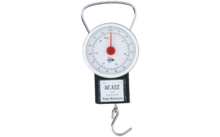

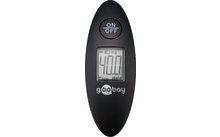

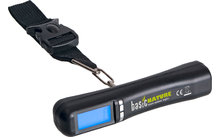

Gas Scales
Accurate gas scales remove guesswork from cooking and heating on tour. By weighing the cylinder and comparing against its tare, you see exactly how much LPG remains—ideal for planning refills and preventing interruptions at the pitch.
Caravan And Motorhome Gas Scales Basics
Gas is stored as liquid with vapour above, so pressure dials do not reflect remaining contents. Gas scales measure bottle weight instead, giving a dependable reading regardless of temperature or regulator type.
Tare, Net And Gross Weight On Gas Scales
Use the stamped tare (empty weight) on the cylinder. Subtract tare from the scale reading to get the net LPG left, then compare with the bottle’s nominal fill to estimate runtime.
Load Rating And Platform Size
Choose gas bottle scales with capacity above your full bottle weight and a platform that fits the base securely. Non-slip feet and level surfaces improve accuracy.
Electronic Gas Scales And Smart Features
Digital models offer fine resolution, hold functions and Bluetooth apps for tracking consumption. Some provide low-level alerts so you can schedule refills before a long stay off-grid.
Power And Readability
Pick clear, backlit displays and keep spare batteries in your spares kit. Auto-off saves power while hold mode captures readings when access is tight.
Data Logging With Gas Scales
Logging daily readings builds a usage profile. Note ambient temperature and appliance patterns for realistic planning.
Setting Up Gas Scales In The Locker
Place the scale on a flat, stable floor and centre the cylinder on the platform. Use a low-profile design to maintain strap tension and keep hoses free from strain or kinks.
Straps, Caps And Cable Clearance
Secure bottles upright with approved straps, refit dust caps on unused ports and route cables or sensor leads clear of sharp edges.
Twin-Cylinder Use With Gas Scales
Weigh bottles A and B separately. After changeover, record the active cylinder and level to keep your log accurate.
Comparing Gas Scales With Other Level Methods
Scales provide direct mass measurement; ultrasonic probes read the liquid line from outside the bottle. Both beat pressure-only indicators for content checks, but scales are typically the most precise.
When Space Is Tight
Choose ultra-low platforms or occasional-use handheld weighing hooks (where safe and appropriate). Never lift heavy cylinders awkwardly—prioritise stability.
Cold Weather Considerations
Propane performs better than butane in low temperatures. If flames weaken in the cold, verify contents with gas scales before assuming the bottle is empty.
Care, Calibration And Safety For Gas Scales
Keep the platform clean, avoid overloading and store dry. Calibrate per manufacturer guidance and check accuracy with a known weight at season start.
Maintenance And Troubleshooting
If readings drift, replace batteries, re-level the surface and re-check tare. Persistent error may indicate platform obstruction or overload.
On-The-Road Checklist
Secure the cylinder, weigh periodically, log values and carry spare batteries. Always leak-test joints after any bottle change.
Accessories To Pair With Gas Scales
Anti-vibration pads, bottle bases and universal spanners make handling safer. Add leak-detection spray, spare O-rings and regulator gaskets to your kit for quick fixes.
Storage And Transport
Store scales protected from knocks and moisture. During winter, remove batteries and check function before the first spring trip.
