
Gas Level Indicators
Keep track of your gas supplies and avoid empty gas cylinders - with our level indicators and scales for gas cylinders. Whether digital display, Bluetooth measuring device or app control.
Read more about Gas Level Indicators ...

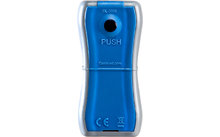



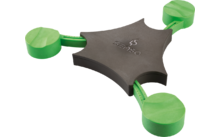


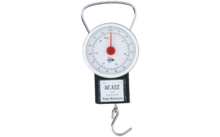

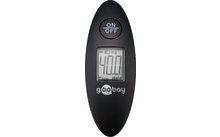


Gas Level Indicators
Accurate gas level indicators take the stress out of cooking and heating on the road. From simple magnetic strips to ultrasonic probes and scales, the right solution lets you check bottle contents, plan refills and keep your camping gas system running smoothly.
Gas Level Indicators Basics
Propane and butane are stored as liquid with vapour above. Because pressure stays fairly constant until the liquid is nearly gone, pressure gauges alone do not show how much gas is left. Effective gas level indicators measure the liquid level or the bottle’s weight instead.
Which Indicator Suits Your Setup
Weekend touring may only need quick spot checks, while long trips benefit from continuous or app-based readouts. Pick a method that matches your bottle type, locker access and budget.
Mechanical And Built-In Gas Level Indicators
Some cylinders feature float gauges that indicate an approximate fill. Add-on magnetic thermometer strips can hint at the liquid line after sustained flow, but accuracy varies. Treat these as guides rather than exact measurements for your gas bottle level indicator strategy.
Float Gauges And Sight Indicators
Useful for a quick glance, but resolution is coarse and readings can lag after moving the vehicle. Always confirm before longer off-grid stays.
External Gas Level Indicators: Ultrasonic And Scales
Ultrasonic probes read the liquid level from outside the cylinder—ideal when lockers are tight and you want non-invasive checks. Weight-based scales measure remaining contents directly and are highly reliable if your locker allows a stable platform.
Ultrasonic Probes As Gas Level Indicators
Handheld or mounted sensors detect the interface between liquid and vapour. Ensure good contact on a clean cylinder wall for repeatable results.
Weighing Scales For Gas Level Indicators
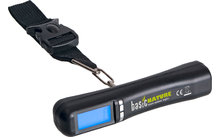
Place the bottle on a compact scale, deduct tare (empty weight) and track consumption precisely. Great for longer tours and dual-cylinder systems.
Inline Gauges, Pressure Indicators And Limits
Inline pressure dials show system pressure, not contents. They help with diagnostics but are not true gas level indicators. Use them to spot regulator or icing issues while relying on level or weight methods for capacity checks.
Diagnosing With Pressure Readouts
Yellow or lazy flames with normal pressure may indicate blocked jets; falling pressure under load can point to icing or an undersized regulator.
Installing Gas Level Indicators: Positioning And Safety
Mount sensors where you can read and test them easily. Keep cables tidy, protect pass-throughs with grommets and never drill or modify cylinders. Maintain ventilation in the locker so heavier-than-air gas can escape at floor level.
Using Gas Level Indicators On Twin Cylinders
Pair indicators with manual or automatic changeover. Label bottles A/B and note readings when you swap to keep usage logs accurate.
Cold Weather Behaviour And Gas Level Indicators
In low temperatures, butane vaporises poorly; propane performs better. Apparent “low level” issues can be cold-related delivery limits, not an empty bottle. Use wind shields outside and keep regulators free from icing.
Winter Tips For Reliable Readings
Re-check levels after the bottle warms slightly and confirm with a second method (ultrasonic plus quick weigh) before replacing a cylinder.
Maintenance, Calibration And Troubleshooting
Wipe sensor pads, keep cylinder walls clean and recalibrate scales when changing bottles. Record tare weights and refill dates to spot usage patterns over time.
On-The-Road Checklist For Gas Level Indicators
Secure bottles upright, test for leaks after changes, verify readings before long drives and carry spare batteries or chargers for electronic devices.
