
Gas Sockets
Here you will find gas sockets, safety sockets, external sockets, modular plug-in systems and supply flaps - everything for safe, flexible and simple gas connections in your motorhome or caravan.
Read more about Gas Sockets ...
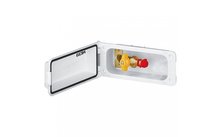

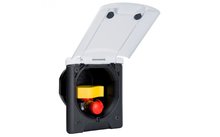

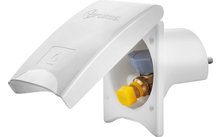

Gas Sockets
Well-designed gas sockets let you power BBQs and outdoor stoves directly from your caravan or motorhome system. With certified quick-connects, integrated shut-off valves and tidy routing, outdoor cooking becomes faster, safer and easier at every pitch.
Caravan And Motorhome Gas Sockets Basics
External sockets extend your camping gas system to the outside without portable bottles. Mount them on a rigid panel, keep lines short and protect pass-throughs with grommets. Always include a nearby isolation valve for quick control.
Choosing Locations For Gas Sockets
Place sockets away from awning walls, soft furnishings and heat sources. Allow clearance for the plug and hose bend radius so connections are easy and stress-free.
Pressure Classes For External Gas Sockets
Most outlets serve the low-pressure side (typically 30 mbar). Use high-pressure hardware only where explicitly approved and match each part to its pressure class.
Quick-Connect Gas Sockets And Couplers
Approved quick-connects speed setup and protect main threads from wear. Choose models with positive lock, clear flow direction and robust dust caps to keep sand and moisture out.
Seals And O-Rings In Gas Sockets
Use the specified flat gasket or cone O-ring. Keep spares on board and replace seals that appear flattened, brittle or cracked.
BSP Threads And Left-Hand Connections
Confirm BSP size and male/female orientation. Some fittings use left-hand threads—check markings to avoid cross-threading.
Installing Gas Sockets: Routing And Ventilation
Route hoses with gentle curves, away from sharp edges and hot flues. Support lines with cushioned clips and maintain ventilation in the locker so heavier-than-air gas can escape at floor level.
Rigid Pipe To Hose Transition For Gas Sockets
Use approved tails when transitioning from rigid pipework to flexible hose. Respect minimum bend radius to prevent kinks and flow loss.
Country Pigtails And Compatibility
Match cylinder connections to your travel region and avoid stacking adapters that add restriction and leak points.
Safety Devices Around Gas Sockets
Fit a labelled shut-off valve near the outlet and consider excess-flow protection where applicable. CO and gas detectors inside living areas add an extra safeguard during cooking.
Leak Testing External Gas Sockets
After installation or any change, apply leak-detection spray or a soapy solution to every joint. Bubbles mean you must re-seat and retest before use.
Flame-Failure And Appliance Tips
Use appliances with flame-failure devices outdoors in gusty conditions. Keep hoses clear of walkways and never operate close to awning fabric.
Using Gas Sockets For BBQs And Outdoor Stoves
Connect the plug until it locks, open the isolation valve and light the appliance per instructions. When finished, close the valve, disconnect and fit the dust cap to keep the outlet clean.
Extension Hoses For Gas Sockets
Choose certified low-pressure hoses in the shortest workable length to reduce pressure drop. Store coiled, capped and out of sunlight.
Troubleshooting Gas Sockets
Yellow or lazy flames can point to low pressure, blocked jets or crushed hose. Check bottle level, regulator output, connector seals and hose routing.
Maintenance And Seasonal Checks For Gas Sockets
Inspect caps, seals and couplers each trip. Verify stable 30 mbar at the appliance, recheck joints after long drives and record hose date codes for timely replacement.
Winter Care For External Gas Sockets
Disconnect outdoor hoses, cap the socket and keep vents clear. In spring, perform a quick leak test before your first cook-out.
