
Gas Hoses
With gas scales, you can always keep an eye on the weight of your gas cylinders. This allows you to plan refills reliably and avoid bottlenecks on the road - simple, precise and ideal for every camper.
Read more about Gas Hoses ...

Gas Hoses
Reliable gas hoses are key to safe cooking, heating and refrigeration on tour. With certified LPG hose, country-correct pigtails and careful routing, you keep pressure stable, prevent leaks and meet campsite expectations across Europe.
Caravan And Motorhome Gas Hoses Basics
Select hoses approved for LPG and clearly marked with date codes and replacement intervals. Keep runs as short as practical to reduce pressure drop and potential leak points, and route away from heat sources and sharp edges.
Flexible LPG Hoses Vs Rigid Pipe
Use flexible camping gas hoses for vibration-prone links at bottles, regulators and appliances; use rigid pipe for fixed runs with short hose tails at connections.
Reading Markings On LPG Gas Hoses
Check printing for approval marks, production date and temperature range. Replace any hose that shows cracks, stiffness or flattened sections.
Choosing Gas Hoses: Length, Bore And Rating
Measure accurately between fittings with gentle curves. Match internal bore to appliance demand so burners do not starve at peak load, and select the correct pressure class for the position in the system.
Bend Radius And Kink Prevention
Respect the minimum bend radius printed on the hose. If space is tight, re-route or use approved angled fittings rather than forcing a bend.
High-Flow Appliances And Bore Size
For BBQs or heaters, choose a larger-bore LPG hose as specified by the appliance manual to maintain stable flame quality.
High-Pressure Vs Low-Pressure Gas Hoses
Upstream of the regulator requires high-pressure hose; downstream typically runs at 30 mbar and uses low-pressure hose. Never mix fittings or seals across pressure classes.
Pigtails For Cylinders
Pick country-correct pigtails and keep them short to minimise pressure drop. Replace at the stated interval and protect from abrasion.
Changeover Gear And Gas Hoses
Manual changeover is light and simple; automatic changeover maintains supply when one bottle empties. Label lines so swaps are quick and accurate.
Connectors And Seals For Gas Hoses
Confirm thread type and direction (BSP and, where used, left-hand) and use the specified flat gasket or cone O-ring. Avoid stacking adapters that add restriction and leak points.
Quick-Connects For Outdoor Cooking
Approved quick-connect sockets make BBQ setups fast and protect main threads from wear. Fit a nearby shut-off valve and cap the port when not in use.
Protecting Sealing Faces
Use dust caps and store spare seals in clean bags. Replace flattened, brittle or damaged O-rings immediately.
Installing Gas Hoses: Routing And Ventilation
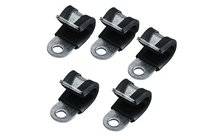
Support gas hoses with cushioned clips, protect pass-throughs with grommets and maintain distance from electrics and hot flues. Gas lockers must vent to the outside at floor level so heavier-than-air gas can escape.
Rigid-To-Hose Transitions
Use approved tails to transition from rigid pipework to flexible hose and position joints where they are visible for inspection.
Positioning External Points
Mount sockets away from awning fabric and soft furnishings, and keep hose routes clear of walkways to avoid trip damage.
Leak Testing And Maintenance Of Gas Hoses
After installation or any bottle change, apply leak-detection spray or a soapy solution to every joint. Bubbles indicate a leak that must be rectified before operation.
Troubleshooting Flame Issues
Yellow or lazy flames can indicate low pressure, icing or contamination. Check bottle level, regulator output, gas hose condition and burner jets.
Service Life, Storage And Records
Replace hoses at printed intervals, coil loosely, cap ends and store cool and dry. Keep a log of hose dates, regulator info and leak-test checks.
