
Gas Cylinders
Gas Cylinders power cooking, heating and cooling on tour. Choose the right size and material, match approved regulators and pigtails, and secure bottles upright for safe, reliable camping gas performance with Berger Camping.
Read more about Gas Cylinders ...
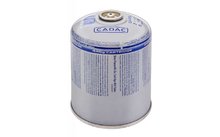

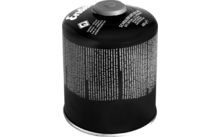

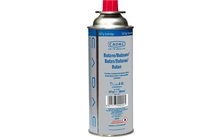
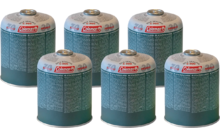


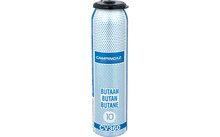

Gas Cylinders
Dependable gas cylinders keep your caravan or motorhome comfortable wherever you travel. With correctly sized bottles, approved regulators and tidy routing, you will cook, heat and cool safely while keeping weight and space under control.
Gas Cylinders Basics
Select bottle types that fit your locker and travel style. Secure cylinders upright with certified straps in a ventilated locker, and keep access clear for quick swaps and leak checks at the pitch.
Choosing Capacities For Gas Cylinders
Small bottles are light and easy to handle for weekend trips; larger capacities reduce refill stops on long tours. Balance autonomy with payload and storage space.
Materials For Camping Gas Cylinders
Steel is robust and cost-effective, aluminium saves weight, and composite options are light with visible level indicators. Check dimensions and valve type before you buy.
Types And Sizes Of Camping Gas Cylinders
Common sizes range from compact camping bottles to larger lockers for extended touring. Verify height and diameter against your locker and confirm the valve standard used in your region.
Refill, Exchange And Compatibility
Exchange systems are convenient across serviced areas, while refillable cylinders suit frequent travellers. Always match connectors and follow supplier guidance for safe handling.
Weight, Payload And Mounting
Record filled weight in your payload plan. Use double-strap holders and non-slip bases to minimise movement and protect fittings over rough roads.
Regulators, Pigtails And Connections For Gas Cylinders
Pair bottles with certified regulators (typically 30 mbar systems) and the correct country pigtails. Keep high-pressure lines short and protected, and avoid stacking adapters that add leak points.
BSP Threads And Seals On Gas Cylinders
Confirm thread size and direction, including left-hand threads where used. Fit the specified gasket or cone seal, tighten to spec and recheck after your first drive.
Changeover Solutions For Camping Gas Cylinders
Manual changeover keeps weight and cost low; automatic changeover maintains supply when one bottle empties. Add a clear indicator to plan refills.
Safety, Ventilation And Placement Of LPG Gas Cylinders
Lockers must vent to the outside at floor level so heavier-than-air gas can escape. Keep drains clear, route hoses away from heat sources and label shut-off valves for quick isolation.
Leak Testing Around Gas Cylinders
After any bottle change, use leak-detection spray or a soapy solution on every joint. Bubbles indicate a leak that must be fixed before operation.
Detectors And Flame Safety
CO and gas detectors add protection in living and sleeping areas. Appliances with flame-failure devices shut off gas if the flame is lost.
Storage, Transport And Seasonal Care For Gas Cylinders
Store cylinders upright with caps fitted in a cool, ventilated area. During winter breaks, disconnect appliances, check hoses for stiffness and verify regulator output at the start of the season.
Handling And Swap Tips For Camping Gas Cylinders
Close the valve, ventilate the locker and follow the connector’s arrow when fitting. Perform a final leak test and secure straps before driving.
Disposal And Replacement
Replace damaged or out-of-date bottles through approved suppliers. Keep receipts and note date codes for traceability in your maintenance log.
Accessories And Spares For Gas Cylinders
Add bottle holders, anti-vibration pads, dust caps and a universal spanner to streamline swaps. Carry spare O-rings, regulator gaskets and leak-detection spray to solve minor issues on-site.
External Cooking With Camping Gas Cylinders
Use approved quick-connect outlets with a nearby shut-off valve. Position sockets away from awning fabric and always cap ports when not in use.
